The Water Collaborative seeks to ensure a lifetime of living, thriving, and loving water for every resident.
The Water Collaborative seeks to ensure a lifetime of living, thriving, and loving water for every resident.
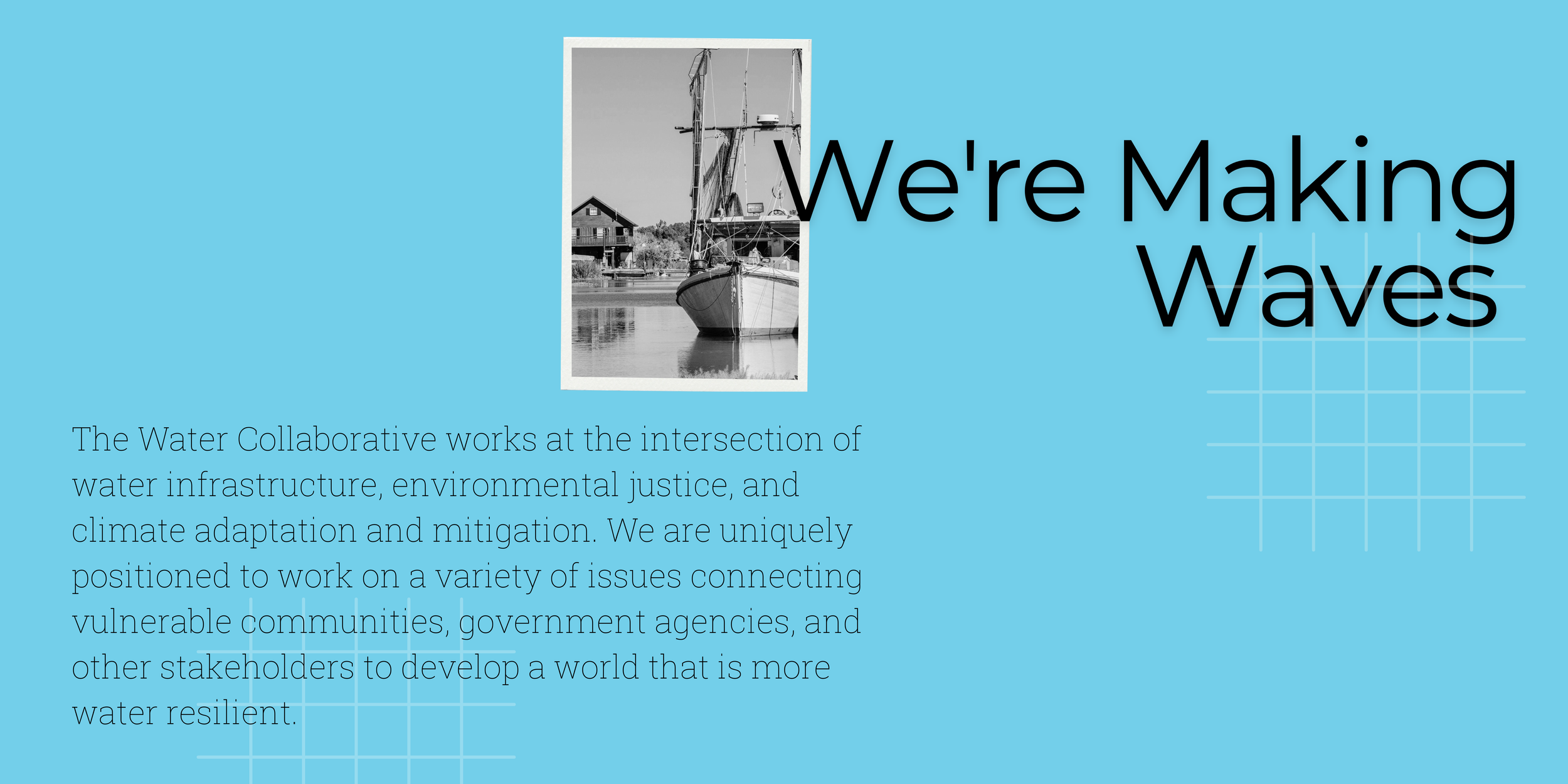

Water is one of the biggest challenges and threats to human life in Southeast Louisiana. From tropical storms, rain events, subsidence, and aging infrastructure, we work collaboratively to develop innovative solutions to our region's most pressing problem of too much water.

In the fall of 2024, The Water Collaborative conducted a tap water quality study on PFAS and heavy metals in Louisiana’s Cancer Alley. Learn more about these pollutants and their dangers!
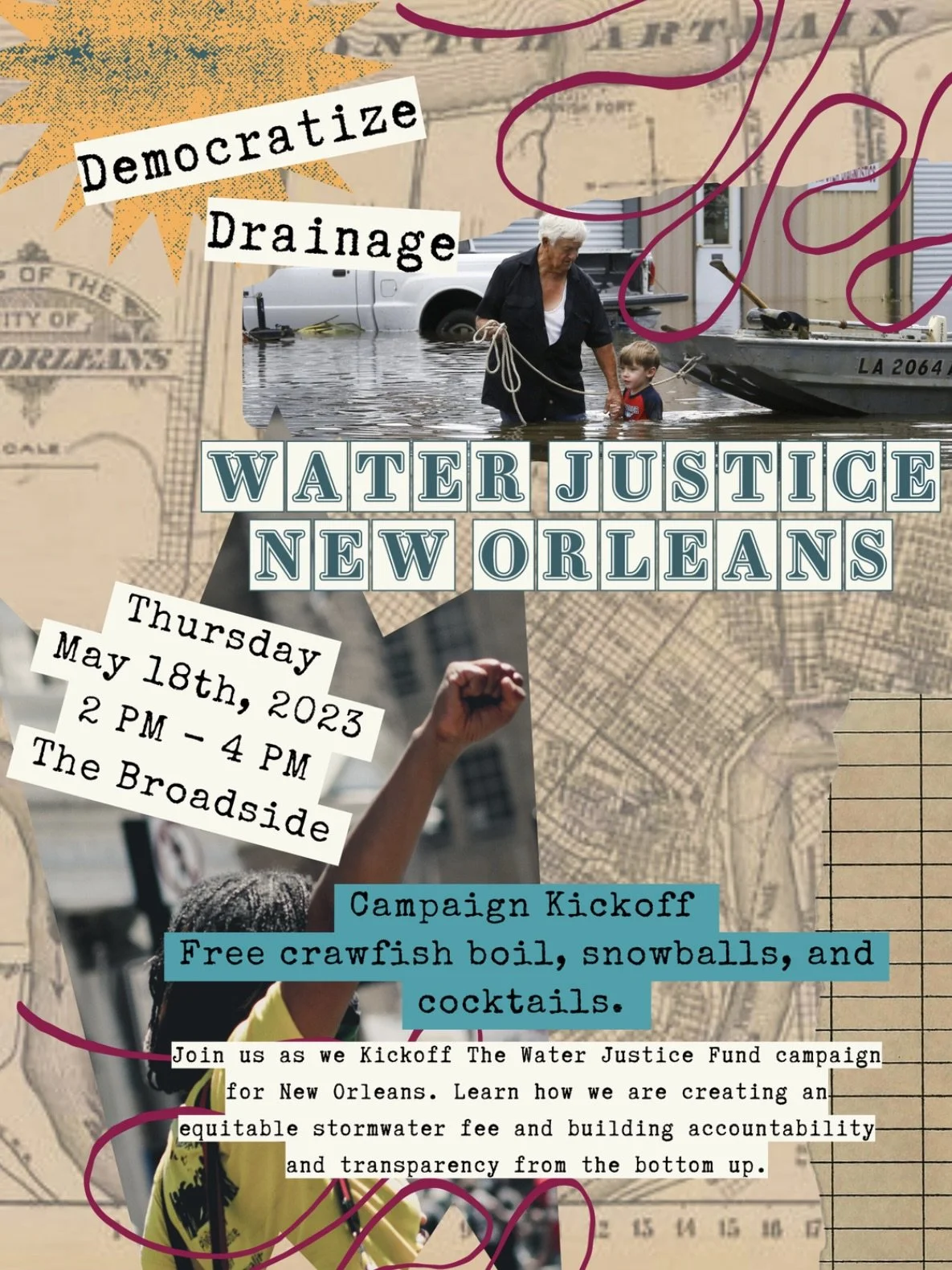
A Community Lead Process for an Equitable Stormwater Fee created for and by New Orleans Residents. Since May 2022, The Water Collaborative has been leading a transparent, accessible, and inclusive process to develop a fee to fund our aging grey infrastructure system.
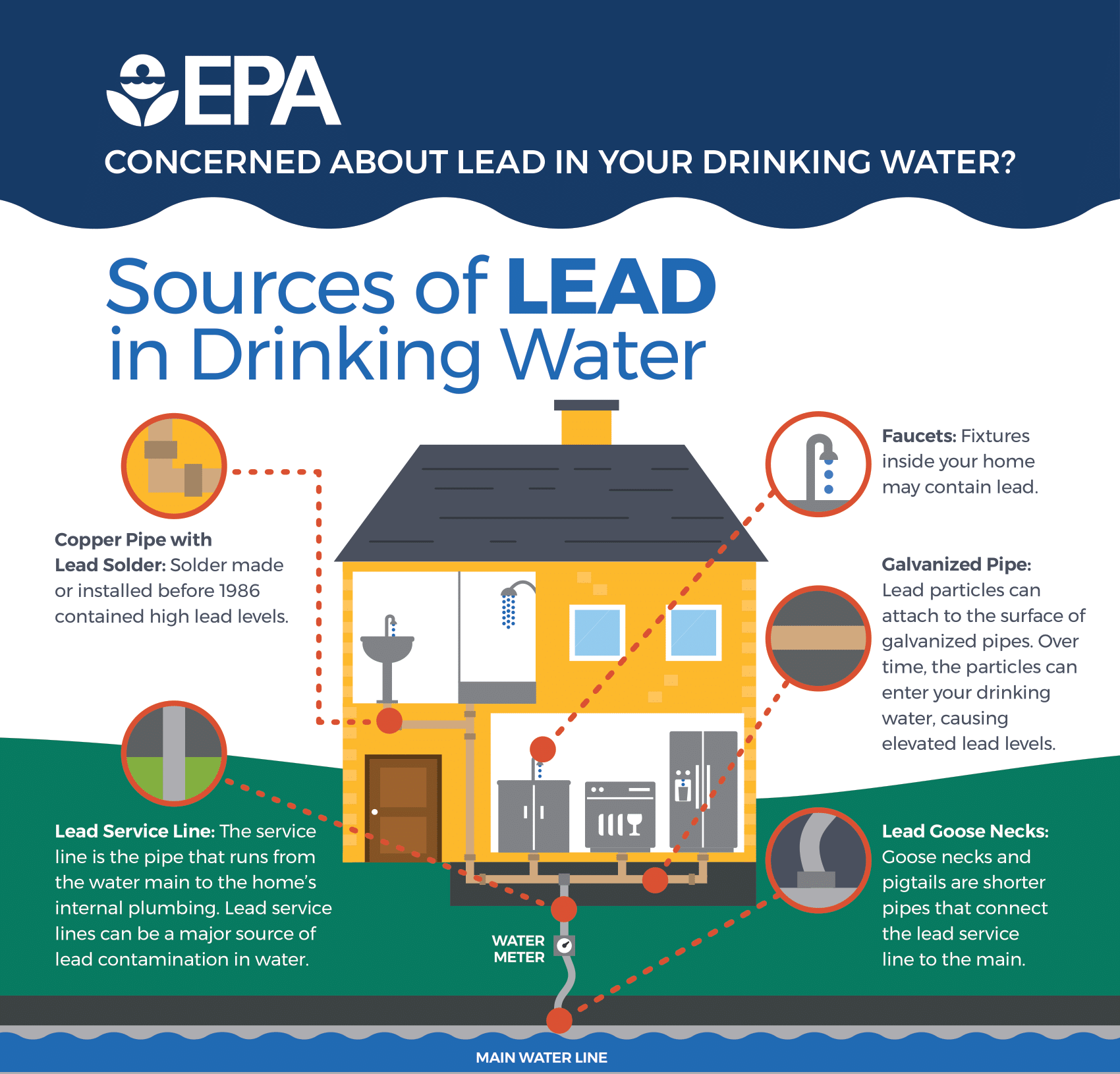
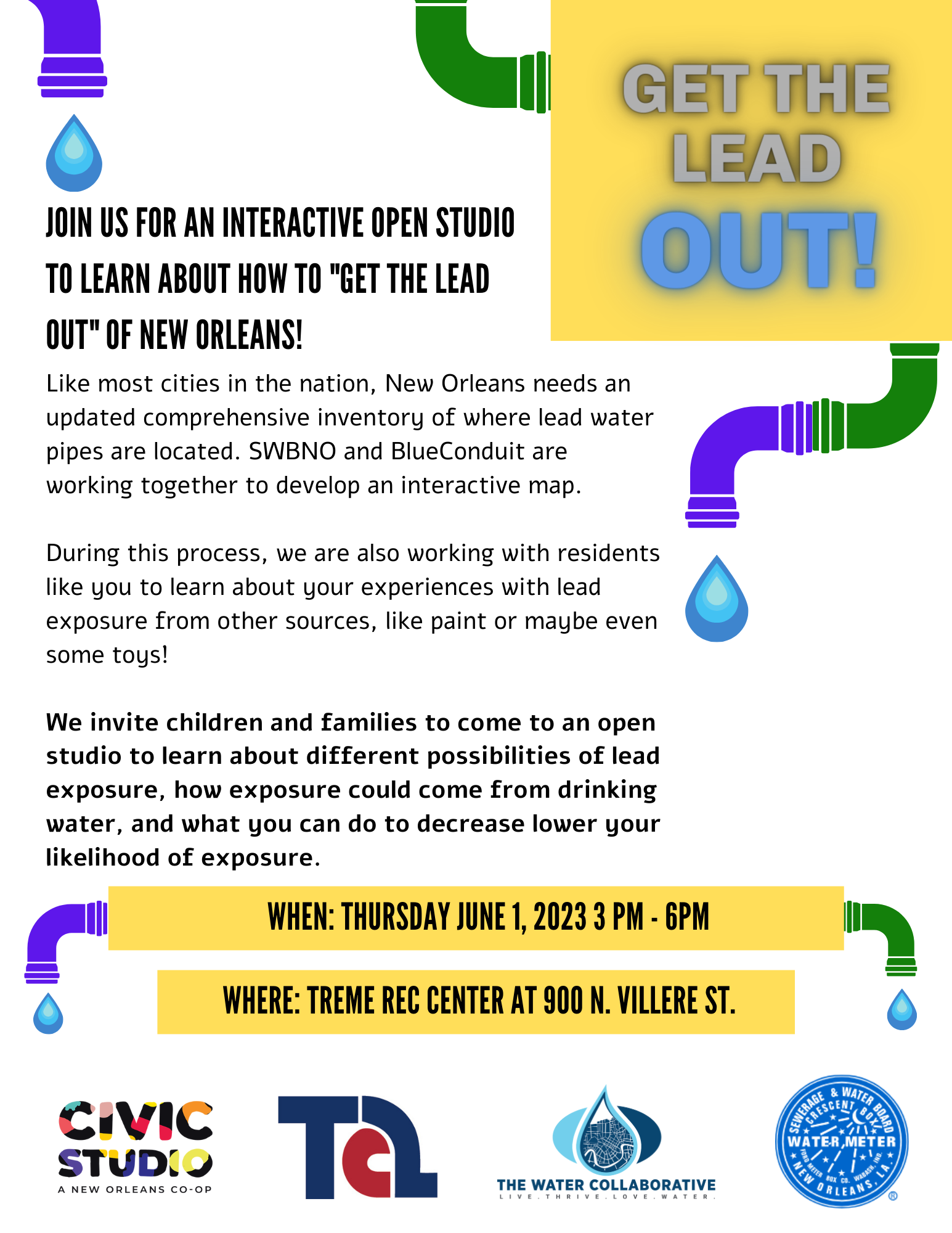
In the summer of 2024, The Water Collaborative conducted a water quality study focusing on lead and copper in New Orleans. Discover more about these contaminants, the risks associated with corroded plumbing materials.
The USACE is conducting the Lower Mississippi River Comprehensive Management Study across seven states, with the aim of providing long-term management recommendations by 2027.
The Safeguarding Tomorrow Revolving Loan Fund, launched by FEMA, provides low-interest loans to states and tribes for disaster resilience projects. In 2023, Louisiana received the highest award of $6.91 million to bolster the state's efforts to enhance community resilience against natural disasters and climate change.
Several concerning water bills are currently under consideration in the U.S. House of Representatives, seeking to relax protections outlined in the Clean Water Act, potentially jeopardizing the health of the nation's waters and ecosystems.
The EPA has proposed designating two PFAS, also known as forever chemicals, PFOA and PFOS, as hazardous substances under the federal policy CERCLA, due to their potential to adversely impact human health and the environment. The EPA will release the final rule in February 2024.
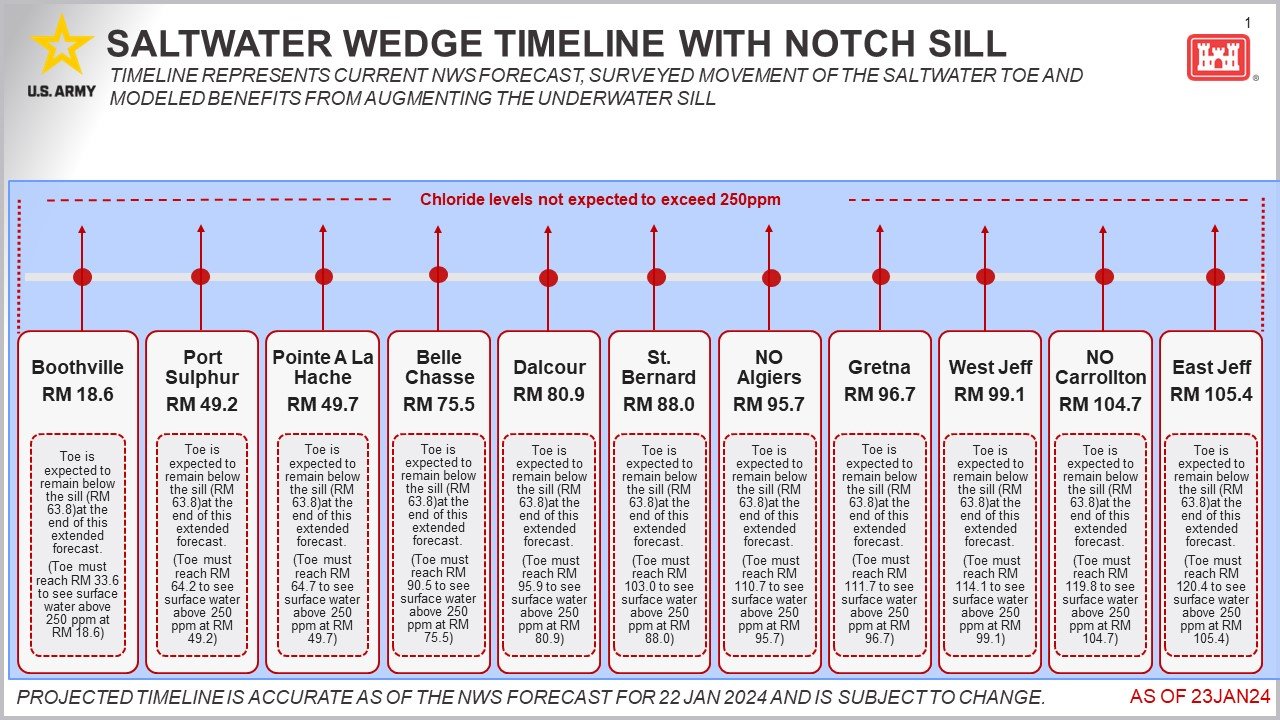
Learn about Louisiana’s 2023-24 Saltwater Intrusion event that lasted 209 days. This dynamic resource was updated weekly, providing the latest developments from the Army Corps of Engineers.
Congress has granted the EPA new authority to restructure struggling water systems, particularly smaller utilities serving communities of fewer than 10,000 people, which face heightened risks of water quality violations due to insufficient funding.
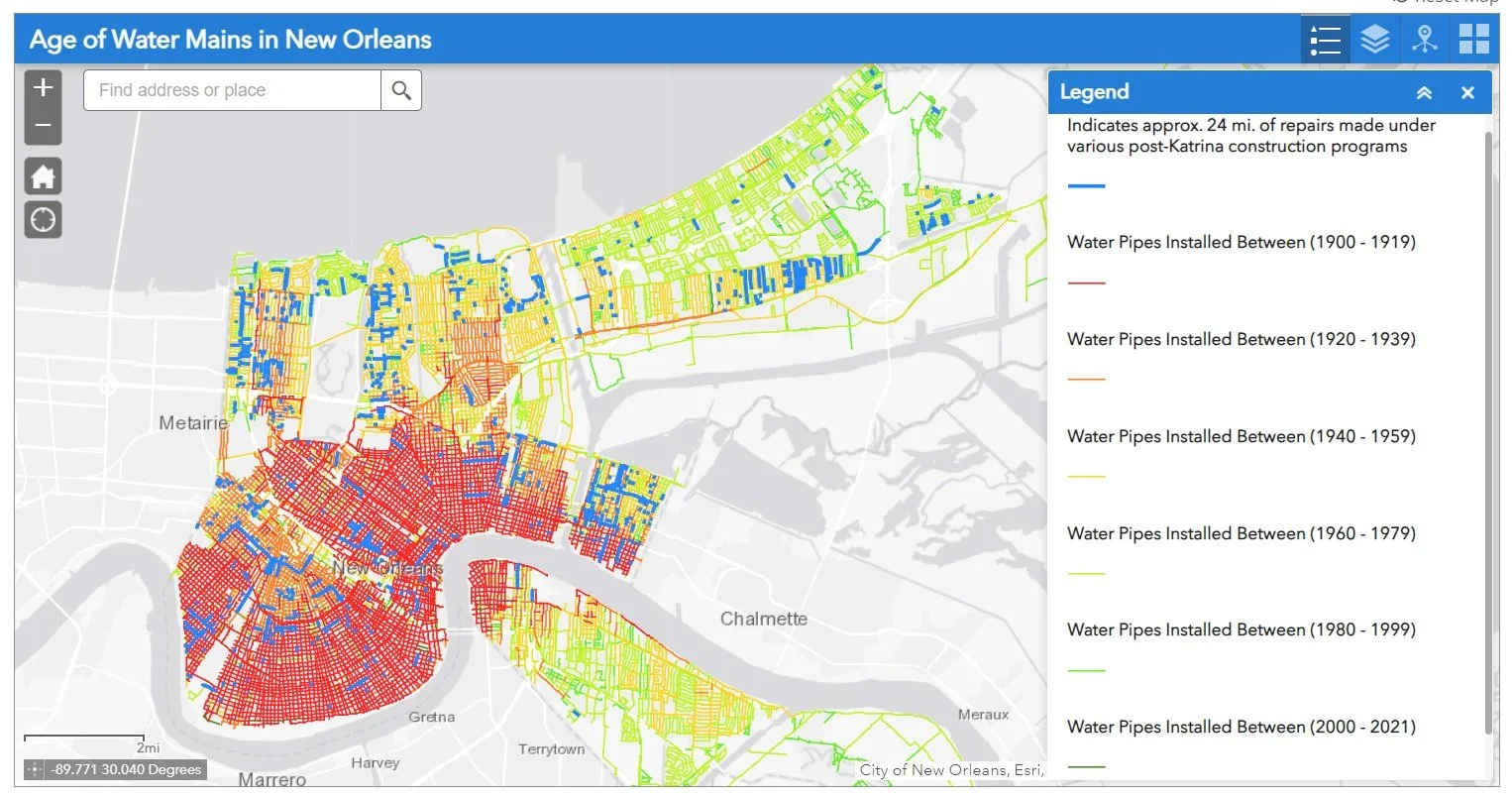
The Lead and Copper Rule (LCR) of 1991 addresses lead and copper contamination in public drinking water systems. Subsequent updates, such as the Revisions in 2021 and newly proposed Improvements in 2024, seek to enhance drinking water quality, expand lead service line replacement efforts, and prioritize underserved communities.
The Clean Water Act of 2023 aims to strengthen water resource management post-Sackett v. EPA by reaffirming congressional commitment to the original act, defining protected water resources based on scientific evidence, and reinstating a national minimum standard of protection for waterways and wetlands.
Learn more about the safety and impacts of coming into contact with lead-contaminated water.
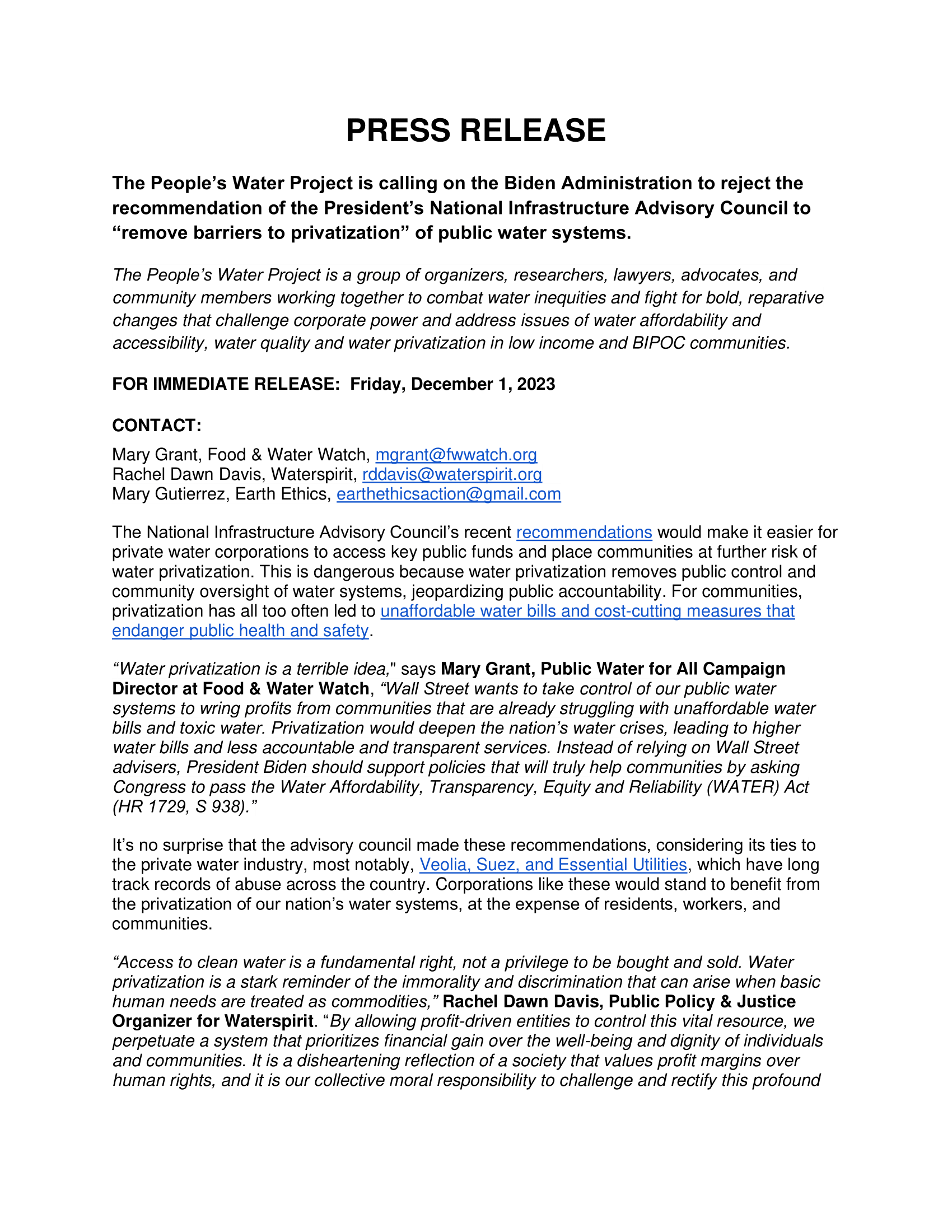
President Biden's National Infrastructure Council's recommendation to endorse water privatization raises concerns about financial burden, environmental risks, and conflicts of interest, highlighting the need for federal investment in our public water systems to ensure water access amid challenges like aging systems, contaminants, and climate change.
The 2021 Bipartisan Infrastructure Law, which aims to address critical infrastructure needs nationwide, is facing challenges with the redirection of $2.3 billion in federal water funds to earmarked projects in the past two fiscal years. Learn how these changes affect Louisiana.
In April 2023, an underground implosion at the Dutch Lane Water Well raised questions regarding the potential impact of carbon capture and sequestration (CCS) initiatives in Louisiana.
The Water Collaborative is partnering with the Environmental Voter Project to mobilize low-propensity environmental voters in Louisiana before the October 14th gubernatorial primary election.

The Water Collaborative brings people from all walks of life together to ensure water is prioritized. We work to ensure water management is climate resilient, accessible, affordable, and clean for all residents living in the Greater New Orleans Region. Get involved through our free membership and advisory groups and join our climate resilient movement alongside the best leaders, professionals, and advocates in the sector.

The members of TWC have years of combined experience in water sector. If you have a question related to water management or green infrastructure in your area, check Frequently Asked Questions and if you do not find what you are looking for, submit a question!